
Bioresonance Therapy has A Role To Play

In recent years, bioresonance therapy has rapidly grown in popularity, especially in the UK and EU, where holistic wellness is highly valued. From London and Manchester to Munich and Madrid, clinics offering bioresonance have multiplied, driven by increased public interest in drug-free healthcare alternatives.
Although bioresonance has long been established in countries like Germany, Austria, and Switzerland, regions traditionally open-minded toward complementary therapies, today, interest stretches well beyond these borders, making bioresonance a global phenomenon.
This increasing curiosity is reflected in consumer behaviour; people across diverse demographics now proactively seek holistic, gentle therapies that align closely with personal health values.
Whether motivated by environmental concerns, pharmaceutical scepticism, or simply a desire for more natural wellness methods, bioresonance addresses many current health preferences and lifestyle aspirations.
What’s Driving This Growing Interest?
Several factors underpin bioresonance’s rise:
Firstly, advancements in bioresonance technology such as sophisticated software and more precise frequency scanners that make treatments more accessible, affordable, and user-friendly than ever before.
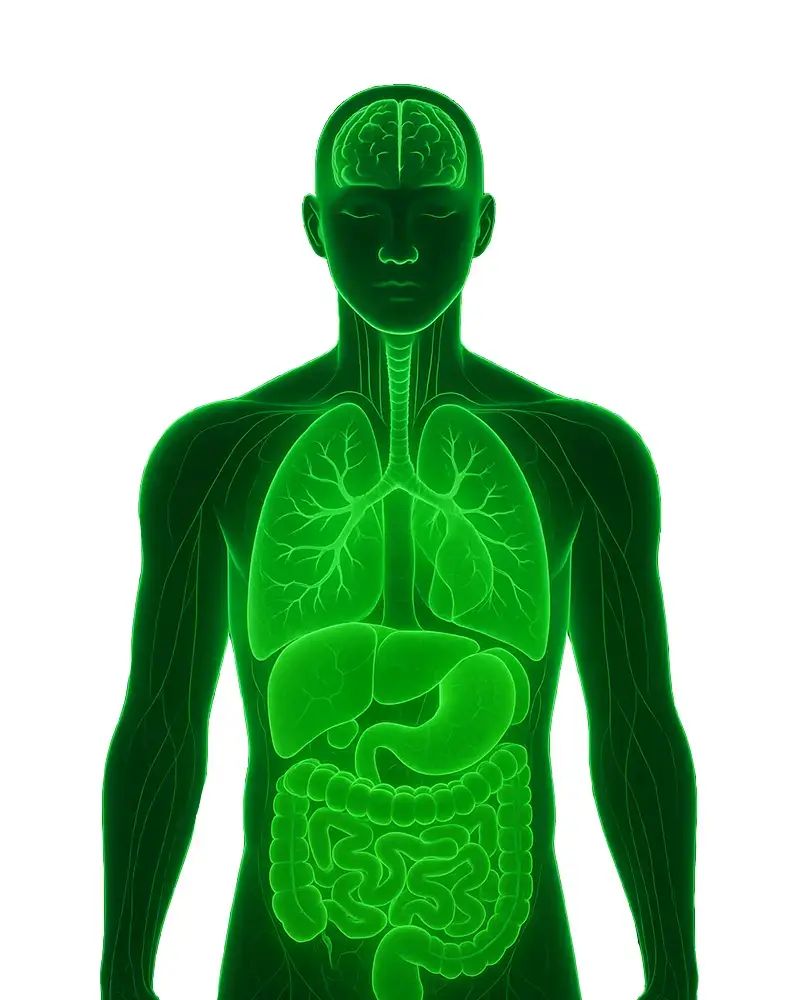
New devices allow therapists to analyse the body’s energetic imbalances in extraordinary detail, visualising real-time organ function right in the clinic.
Secondly, there is a growing shift away from pharmaceutical dependency in many parts of Europe and the UK, driven partly by concerns around the side-effects of conventional medications and partly by increasing public interest in holistic wellness.
This shift, often highlighted by consumer advocacy groups, has sparked dialogue around pharmaceutical transparency and alternative health modalities.
Lastly, increased visibility of bio resonance through wellness influencers, media features, and personal testimonials has created wider public awareness.
High-profile wellness centres from Harley Street in London to wellness resorts in the south of France have embraced bioresonance, significantly elevating its profile.
Expanding Range of Bioresonance Applications

Originally popularised for allergy testing and management, bioresonance now addresses an extensive array of health concerns. Clinics throughout the UK and EU are employing bioresonance for:
Smoking and Addiction Cessation
Recent research in Germany and Austria indicates bioresonance therapy helps people overcome nicotine dependence, with success rates comparable or superior to traditional cessation methods.
One prominent study published in Forschende Komplementärmedizin showed a 28.6% smoking cessation rate at 12 months, markedly above placebo rates (Karger Publishers).
Chronic Pain and Inflammation Management
From arthritis and fibromyalgia to sports injuries, bioresonance therapy is increasingly used to reduce chronic pain and inflammation. Clinics in Sweden and Denmark frequently integrate bioresonance alongside physiotherapy and traditional treatments to enhance healing and reduce patient discomfort.
Allergies and Food Intolerances
Bioresonance remains exceptionally popular across Europe for identifying food sensitivities and environmental allergies.
Clinics like the BioMed Centre in London routinely help clients pinpoint allergens accurately, subsequently supporting them with personalised elimination diets or tailored wellness programmes.
Digestive Disorders and Gut Health
Conditions such as IBS, bloating, and reflux are often addressed through bioresonance.
Therapists across Europe have seen remarkable improvements when frequency therapy is combined with dietary guidance and probiotic supplementation.
Emotional Wellbeing and Stress Relief
Increasingly, bioresonance practitioners report notable benefits in managing stress, anxiety, and emotional burnout.
The therapy, offered at numerous wellness retreats from Portugal’s Algarve coast to Austria’s Alpine spas, provides gentle emotional re-balancing by harmonising the body’s energy fields.
The Potential Conflict: Bioresonance vs. Big Pharma
As bioresonance continues its upward trajectory, it naturally encounters friction from traditional pharmaceutical interests. Major pharmaceutical companies dominate healthcare across Europe and globally, typically viewing alternative therapies as unproven rivals.
Though bioresonance therapy is widely adopted by holistic health practitioners and has countless satisfied users, it remains outside mainstream medical recognition, prompting debates on medical ethics, efficacy, and industry transparency.
In Europe, particularly in Germany and Switzerland, medical systems demonstrate a notable openness to complementary therapies, allowing a broader acceptance of bioresonance, albeit without full medical integration.
Conversely, in more pharma-dominated markets, bioresonance faces scepticism, reinforcing the importance of transparent research, rigorous practitioner standards, and consumer education.
Grounded in Research: Recent Findings on Bioresonance
Numerous white papers and clinical studies published by credible European institutions offer growing evidence of bioresonance’s positive impact:
- A comprehensive 2024 review from researchers affiliated with universities in Berlin and Munich highlighted bioresonance’s effectiveness in treating chronic pain, inflammation, and allergies, concluding the therapy’s potential role in integrative medicine deserves further rigorous investigation (ResearchGate).
- A landmark Turkish clinical study involving over 1200 participants indicated bioresonance as one of the most preferred methods for smoking cessation, echoing earlier European findings (Istanbul Medical Journal).
- British and German research on allergy treatments through bioresonance demonstrated significant improvements in patients’ quality of life and symptom management, further legitimising its application within complementary wellness circles.
Considerations Before Choosing Bioresonance Therapy
While bioresonance boasts compelling patient experiences and growing research support, it should be approached with realistic expectations. It’s crucial for prospective clients to:
- Choose trained, reputable practitioners using verified equipment.
- Understand that bioresonance complements but doesn’t replace conventional medical advice or treatment.
- Engage holistically, combining therapy with good nutrition, lifestyle adjustments, and regular exercise.
Final Thoughts
With its impressive growth trajectory, bioresonance therapy is clearly resonating with a global audience increasingly eager for non-invasive, personalised, holistic approaches to wellness.
Its growing popularity in the UK and Europe points toward a broader shift in how we collectively perceive health care, signalling openness to treatments that address underlying energetic imbalances rather than just symptoms.
As research continues to validate and challenge perceptions, bioresonance therapy’s role in modern health practices seems set only to expand.
Drop us a line or use the contact form get in touch if you want to learn more about bioresonance therapy.
I recently gave up smoking thanks to the magic of bioresonance, glad to see its taking off.