

Bioresonance Insights For 2025
Table of contents
Introduction: The Changing Landscape of Bioresonance Therapy
Bioresonance therapy has changed dramatically over the last decade. Devices have become more advanced, software platforms now offer greater clarity, and public interest continues to rise as people look for non-invasive wellness support.
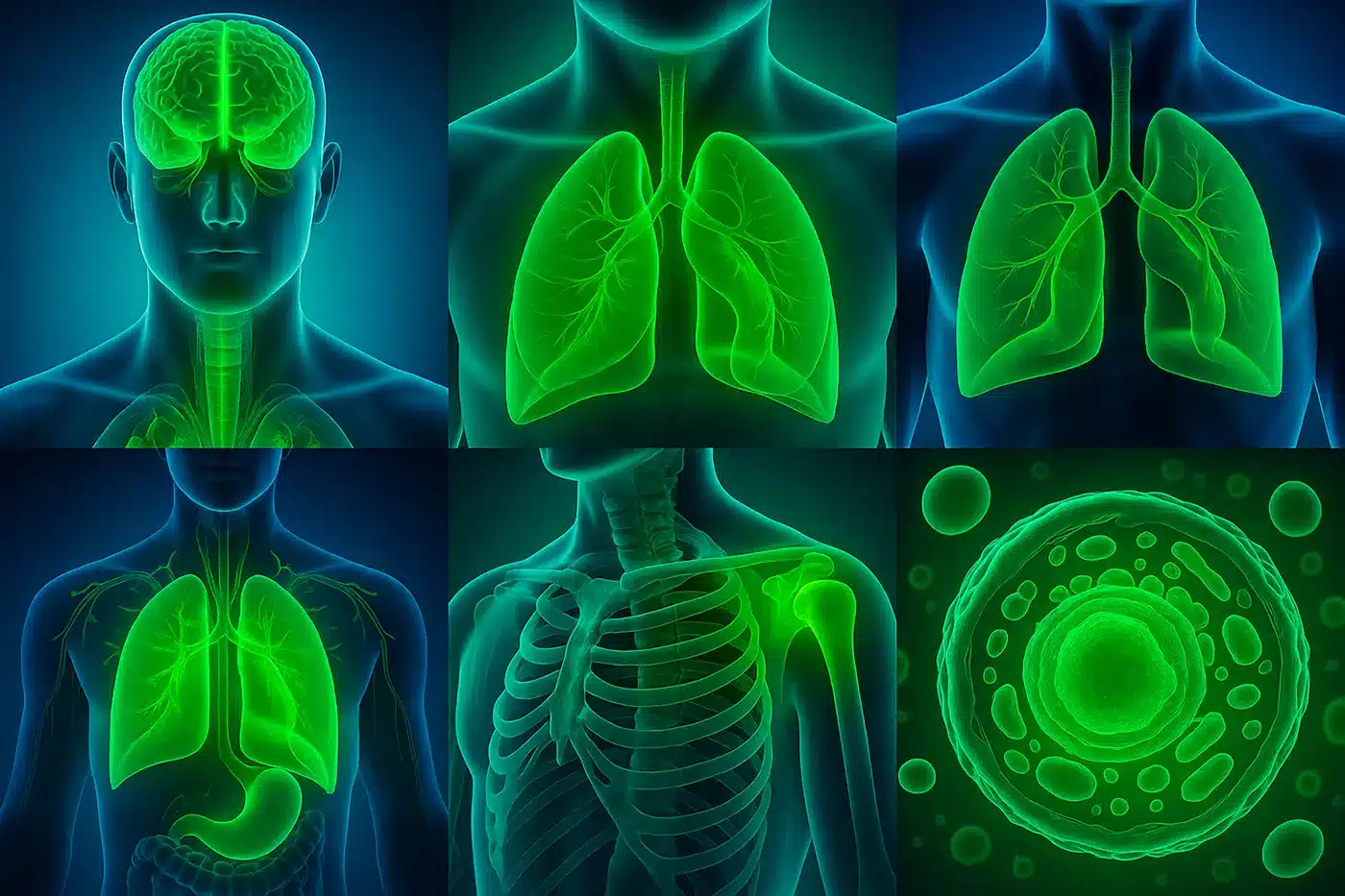
Many clients arrive in clinic after years of feeling unheard, overwhelmed or frustrated by side effects, and they want approaches that respect the body without adding pharmaceutical load. Bioresonance fits naturally into this space, offering a way to investigate stress patterns, lifestyle pressures, and energetic load through non-invasive digital biofeedback.
As a therapist with more than fifteen years of clinical experience and a long history with Nesterov’s Oberon devices, I have watched the technology evolve in real time.
My work began with the early Oberon Metatron systems, and the reference standards set by those machines still guide how I evaluate newer models.
Today I use the Metatron Hunter 4025 NLS Verified as my primary device because it has consistently matched the accuracy of my Oberon systems in side by side testing while providing more modern, intuitive software for efficient clinical work.
The purpose of this article is simple: to offer an authoritative, clear and balanced guide for practitioners, home users and readers who want an honest, expert explanation of what bioresonance can offer in 2025, where the evidence currently stands, how the technology works, and how to navigate an industry that is still maturing.
This article takes a supportive stance on bioresonance because the results many practitioners see are difficult to ignore while remaining fully aligned with ethical practice and regulatory guidance that emphasises safety, caution and transparent communication.
You will find research summaries, device comparisons, practitioner insights and an explanation of why scientific progress in this field moves more slowly than in drug-led medicine. The aim is not to persuade, but to inform.
Readers deserve clarity and honesty, particularly when discussing complementary therapies connected with wellbeing.
What Bioresonance Therapy Represents in 2025
Bioresonance therapy in 2025 stands at the intersection of technology, wellness and complementary care. The concept is relatively simple: the body produces measurable electromagnetic signals that reflect internal processes.
Modern bioresonance devices analyse these signals and present biofeedback that helps practitioners and clients discuss patterns affecting wellbeing.
The therapy appeals to people seeking gentle approaches that work alongside, rather than in place of, mainstream medicine. Clients often choose bioresonance when they want to explore lifestyle influences, stress patterns, gut load, fatigue triggers, or environmental sensitivities that might not receive attention in busy clinical systems.
Practitioners who approach bioresonance responsibly acknowledge its place as a complementary tool. It can guide discussions, highlight patterns, support behavioural change and provide additional insight. It cannot replace clinical evaluation or medical diagnosis, and any practitioner who suggests otherwise risks breaching both ethical standards and regulatory guidance.
As research slowly grows and technology continues to advance, more people view bioresonance as a valuable supportive tool that helps them understand their bodies in a different way.
The therapy’s strength lies not in claiming cures, but in offering clarity, conversation and a non-invasive method of exploring complex wellness patterns.
How Modern Bioresonance Devices Work
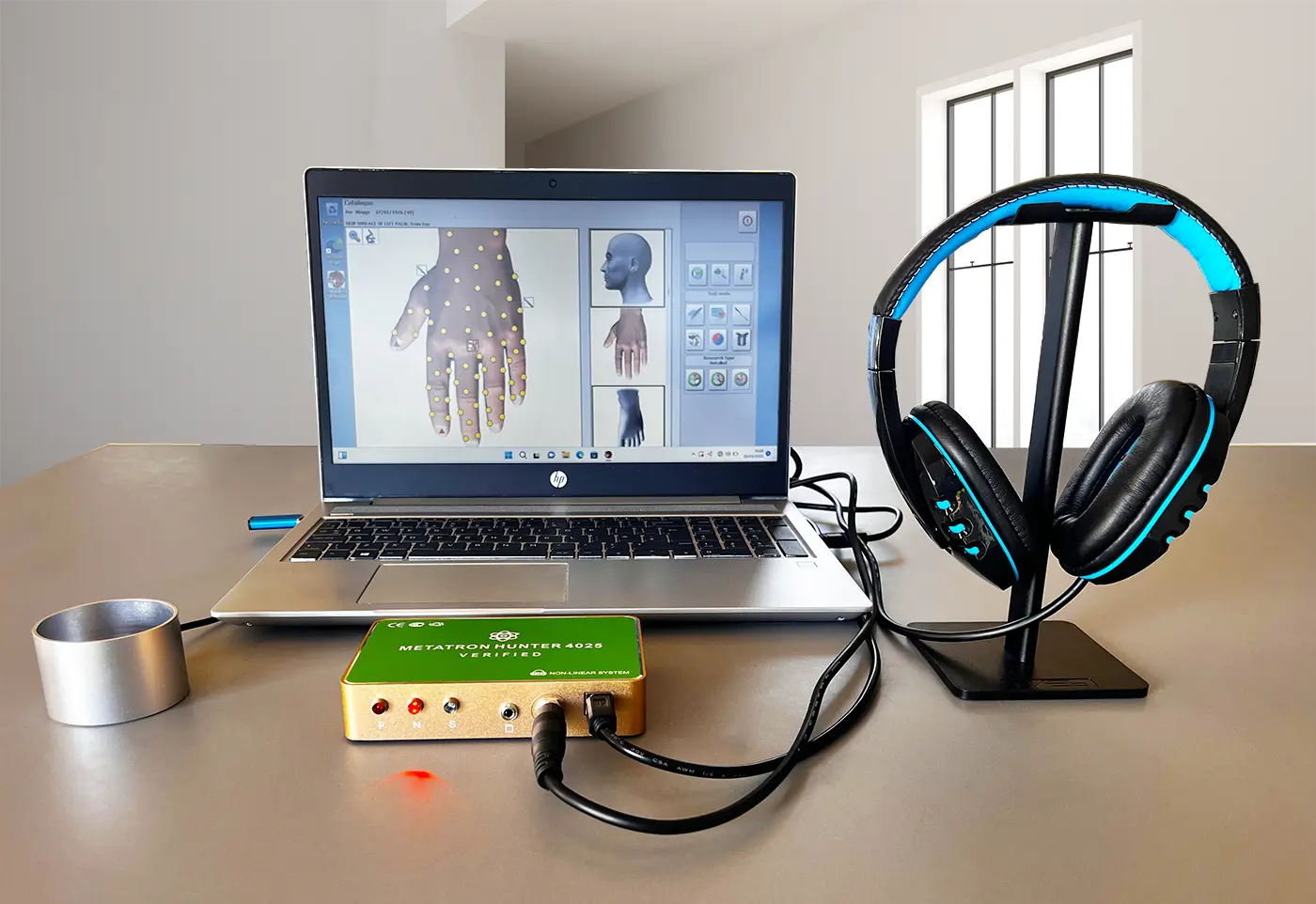
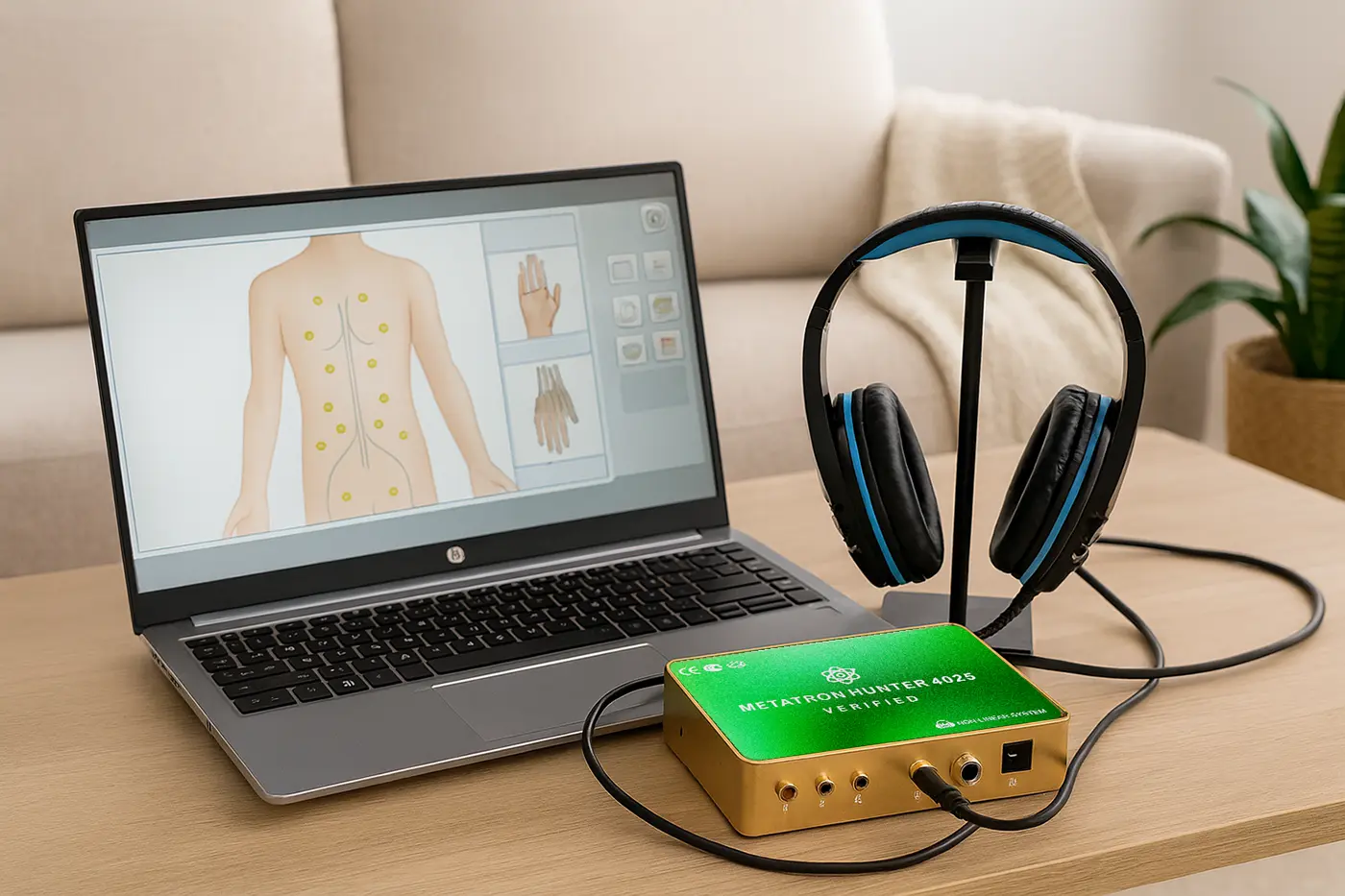
Modern bioresonance devices use digital sensors, usually headphones, electrodes or hand plates, to measure subtle electromagnetic changes emitted by the body. These signals reflect biological processes and energetic responses associated with tissues, organs, nutrients, allergens, microbes and environmental influences.
Software interprets these signals by comparing them to frequency databases built from years of observational research. Each entry corresponds with a specific oscillation pattern, enabling the device to map areas of stress, imbalance or load.
Graphics show these results using three dimensional organ models, charts or frequency markers, depending on the device used.
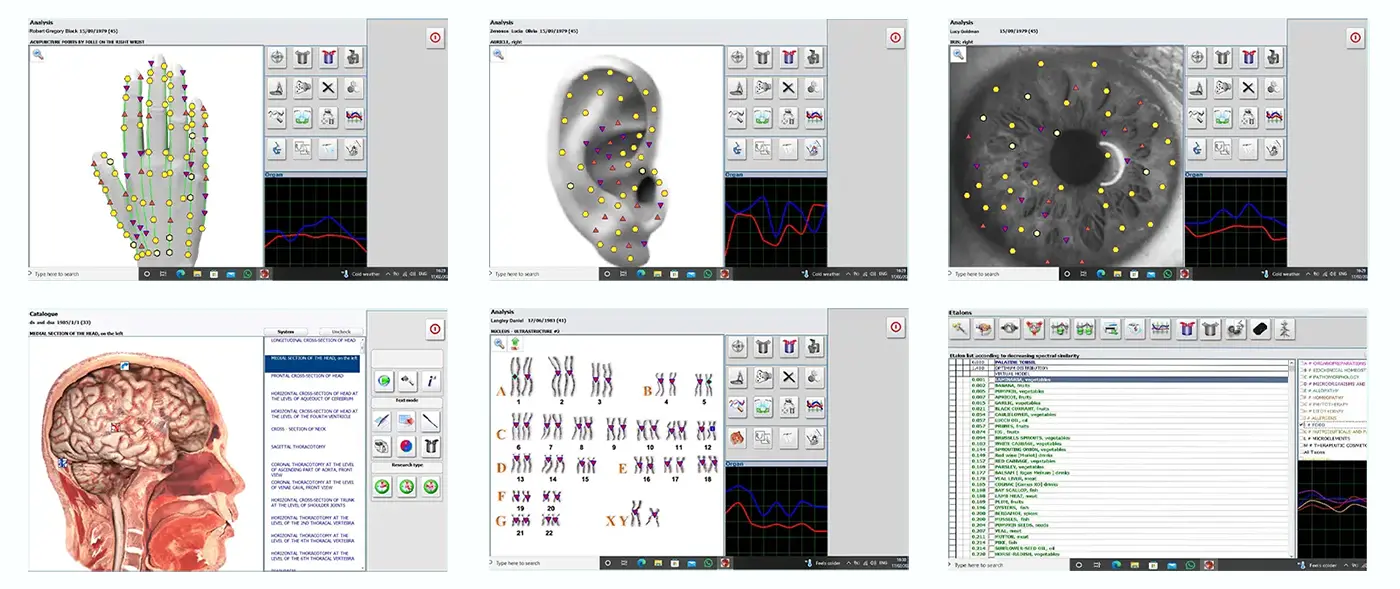
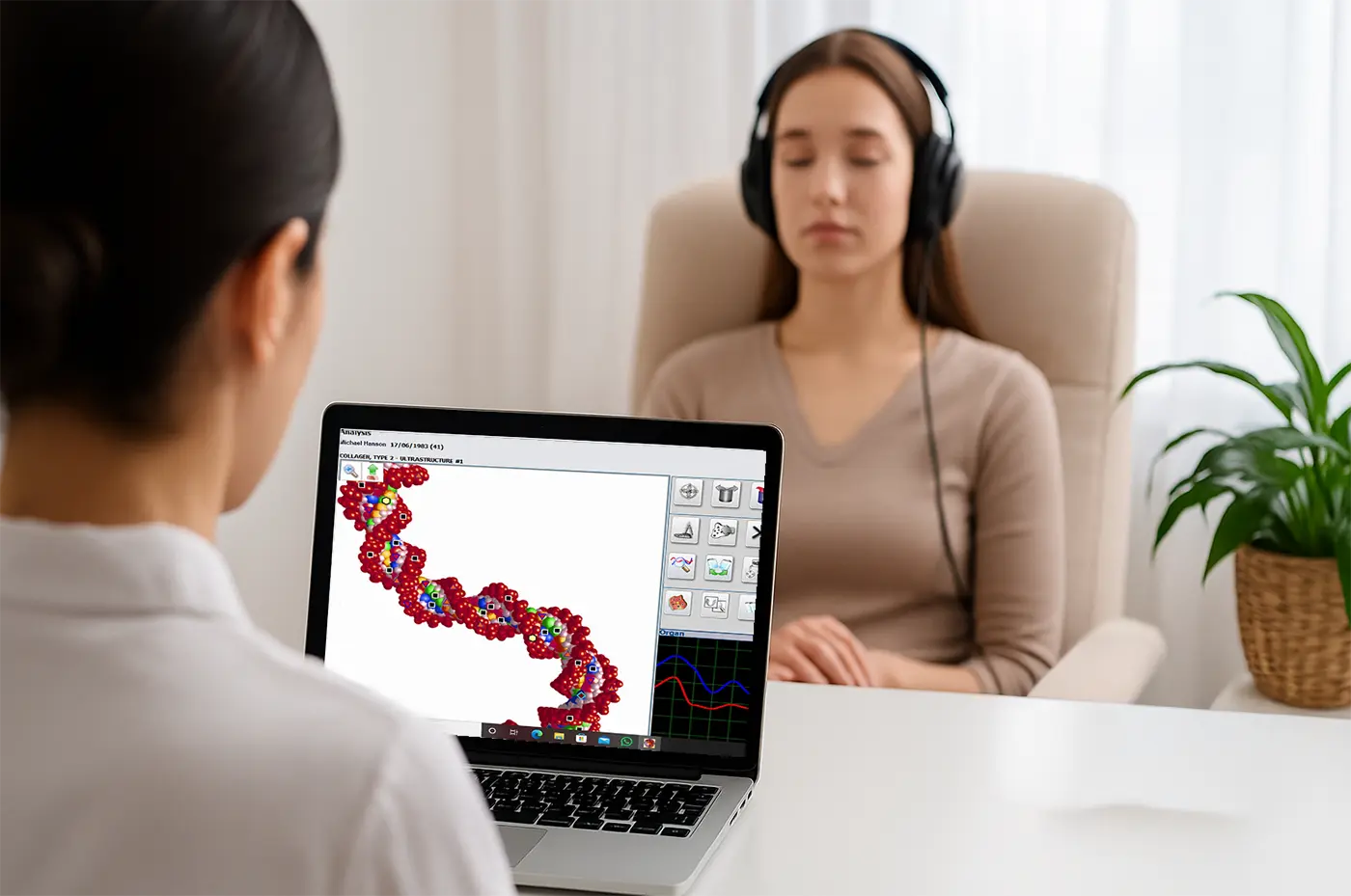
Practitioners interpret these patterns through the lens of lifestyle, symptom descriptions and environmental influences. A bioresonance scan is not a diagnosis. It is a non-invasive form of biofeedback that guides discussion, supports reflection and empowers clients to understand potential triggers influencing their wellbeing.
When used correctly, it becomes a structured way to explore stress, nutrition, emotions and environmental load in a safe and supportive context.
The Barriers Slowing Independent Research Development
One of the most important points that readers must understand is this: bioresonance therapy does not have the same level of scientific funding available to pharmaceutical medicine.
This is not because the technology lacks potential, but because large-scale clinical trials require vast financial investment and infrastructure that complementary therapies rarely attract.
Medical research is expensive, and the pharmaceutical model is financially driven. Drug companies invest in trials because successful medication creates commercial return. Bioresonance, being drug-free and non-pharmaceutical, offers no such commercial incentive.
As a result, very few independent institutions are financially motivated to fund the type of robust, multicentre research that regulators look for when making clinical claims.
This imbalance slows progress. It means many promising early studies remain small, underfunded or pilot-level in design. It means research often comes from passionate practitioners, small clinical teams or device manufacturers, which leads to questions about independence even when the results are encouraging.
It also means that scepticism persists, not necessarily because the technology lacks value, but because financial systems favour drug based research over anything that challenges pharmaceutical profitability.
Historical contributors such as Einstein, Tesla, Rife and Nesterov explored the influence of electromagnetic and frequency based systems long before modern regulatory structures existed.
Their ideas shaped the foundations of electronic biofeedback, yet the mainstream seldom acknowledges their influence when discussing modern frequency medicine. This creates a cultural bias that further slows acceptance of the field.
Current Research: What Studies Reveal and What They Don’t
Despite limited funding, research into bioresonance has grown slowly but steadily. Studies now appear more frequently in complementary medicine journals, with key themes emerging across addiction, pain, gut function and stress-related symptoms. These studies do not claim cures, yet they consistently indicate potential value within supportive wellness frameworks.
Practitioners working in real clinics often observe results that mirror the themes of these early studies. Clients frequently report improved sleep, reduced stress, better digestion, increased energy or clearer thinking after a series of sessions. These real-world outcomes matter, even if they cannot yet be quantified through large-scale trials.
Responsible practitioners interpret research with caution. Small trials guide direction. Observational improvements inspire further inquiry. Pilot data invites conversation but does not justify bold medical claims. The field needs structured research, independent replication and larger sample sizes before decisive conclusions can be drawn.
Smoking Cessation: A Concentration of Promising Evidence
Smoking cessation is the area with the clearest cluster of modern studies. Several controlled trials suggest that bioresonance may help support people who want to quit smoking. A 2024 Istanbul Medical Journal publication reported higher quit rates among participants receiving bioresonance compared to a control group. Earlier studies recorded similar results, suggesting a positive trend.
Practitioners, myself included, often see meaningful results in clients who previously struggled with patches, gum or medication. Bioresonance offers a different route that avoids pharmaceutical side effects and helps manage the emotional, behavioural and stress-related aspects of addiction.
Yet the evidence remains early stage. Trials are small, follow up periods vary, and smoking cessation is a complex behavioural challenge influenced by motivation, stress load, environment and social factors. A responsible approach positions bioresonance as a supportive tool inside a broader quit plan, rather than a standalone solution.
IBS, Functional Gut Load and Pain: Quantum Medicine Pilot Results
Irritable bowel-related symptoms and chronic low back pain often present together in clinic, and clients frequently describe frustration when conventional tests reveal little. A 2024 Medicina study into IBS explored this overlap through structured bioresonance sessions. The study recorded improvements in symptom scores, quality of life and an inverse relationship between comfort levels and fecal calprotectin, a biomarker linked to inflammation.
These findings resonate strongly with clinical experience. Gut health and stress load often connect with musculoskeletal discomfort, sleep disruption and emotional sensitivity. Bioresonance offers a safe, non-invasive way to explore these links and help clients understand how lifestyle patterns influence their comfort.
The limitations of the study were clear: sample size and design. Yet the data offers a meaningful signal for further research, especially as IBS-related symptoms remain challenging for many people and often respond best to multi-layered, holistic interventions.
Cervical Spine Pain: Structured Protocols and Rayonex Findings
Rayonex Biomedical has funded several clinical trials exploring their Paul Schmidt methodology, including a controlled trial on cervical spine syndrome. Results indicated stronger pain reduction in the active group compared with placebo. These findings matter because they suggest bioresonance may influence pain perception and muscular tension when used within structured programs.
Practitioners who prefer protocol-based systems often gravitate toward Rayonex due to its organised preset modules and educational materials. Yet nearly all published studies come from the manufacturer or affiliated teams, creating a need for independent replication to substantiate these positive patterns.
Healthline’s Independent Overview
Healthline’s article on bioresonance therapy presents a balanced summary. It emphasises that evidence is limited and mixed, reflecting the early stage of research. It acknowledges positive findings in smoking cessation and reports from pain-related studies while clearly stating that bioresonance is not recognised as a treatment for medical conditions.
This aligns with responsible practitioner communication. Healthline does not dismiss bioresonance outright, nor does it promote it. Instead, it encourages readers to engage with the therapy as a complementary tool while maintaining contact with their healthcare providers. This approach mirrors best practice for ethical, transparent and safe clinical communication.
Ethical Practice, Regulatory Guidance and Transparent Communication
In the UK, the ASA actively monitors claims connected with complementary therapies, including bioresonance. Their rulings provide clear boundaries for practitioners and content creators. They require practitioners to avoid suggesting that bioresonance can diagnose or treat medical conditions unless supported by robust clinical evidence. They also emphasise that practitioners must not encourage people to avoid or delay essential medical care.
Ethical practitioners follow these rules diligently. They present bioresonance as a supportive tool, not a diagnostic system. They use the device to guide conversation, explore patterns and help clients understand their wellbeing. They maintain transparency, cite reputable sources and clearly explain what the technology can and cannot do. This approach builds trust and protects clients from misinformation.
How Practitioners Integrate Bioresonance into Clinical Wellness Work
Modern bioresonance practice focuses on holistic wellness rather than medical diagnosis. Practitioners begin with a full scan that identifies patterns of load or stress in various systems. The scan acts as a starting point for discussion about lifestyle, sleep, nutrition, digestive health, emotional influences and environmental factors.
Clients often describe the process as empowering because it provides visual representations of patterns they intuitively felt but could not articulate. Practitioners offer guidance, encourage reflection and help clients make meaningful adjustments that support wellbeing.
Follow-up scans help monitor progress over time. Improvements in energetic patterns can correlate with changes in lifestyle, emotional resilience, sleep quality or nutritional habits. This sense of progression often increases client motivation and engagement.
Food sensitivities, emotional stress, digestive load and fatigue are common themes. Practitioners emphasise that bioresonance highlights areas that may need attention, not confirmed medical diagnoses. Red flags or concerning symptoms prompt referral to a medical professional for appropriate assessment.
The device landscape has expanded widely. Legacy Oberon systems retain strong reputations thanks to their deep databases, long history and association with Professor Vladimir Nesterov. These machines remain the benchmark for many practitioners and formed the foundation of my own clinical training.
Device Evolution: Oberon, Rayonex, Clones and Modern Hunter-Series Systems
Rayonex systems appeal to practitioners who value structured presets and programme based approaches. Although they offer polished hardware and substantial literature, many practitioners seek technology that provides more flexible scanning options.
Low-cost clones have entered the market over the past decade, often sold online at a fraction of the price of established systems. Although tempting to new practitioners, these devices frequently suffer from unstable software, poor calibration and unreliable results, making them unsuitable for professional use.
Modern Hunter series devices, including the Metatron Hunter 4025 NLS Verified, represent a new wave of systems that combine the sensitivity and accuracy of earlier Oberon technology with updated software, clearer interfaces and enhanced stability. These systems undergo internal verification processes that distinguish them from untested clones.
The Metatron Hunter 4025 NLS Verified: My Clinical Benchmark
In my own clinic, I continue to use two authentic Oberon Hunter systems as reference devices. These machines have earned their status through consistency and depth. When evaluating newer devices, I test them directly against my Oberons to determine whether they meet the required standard.
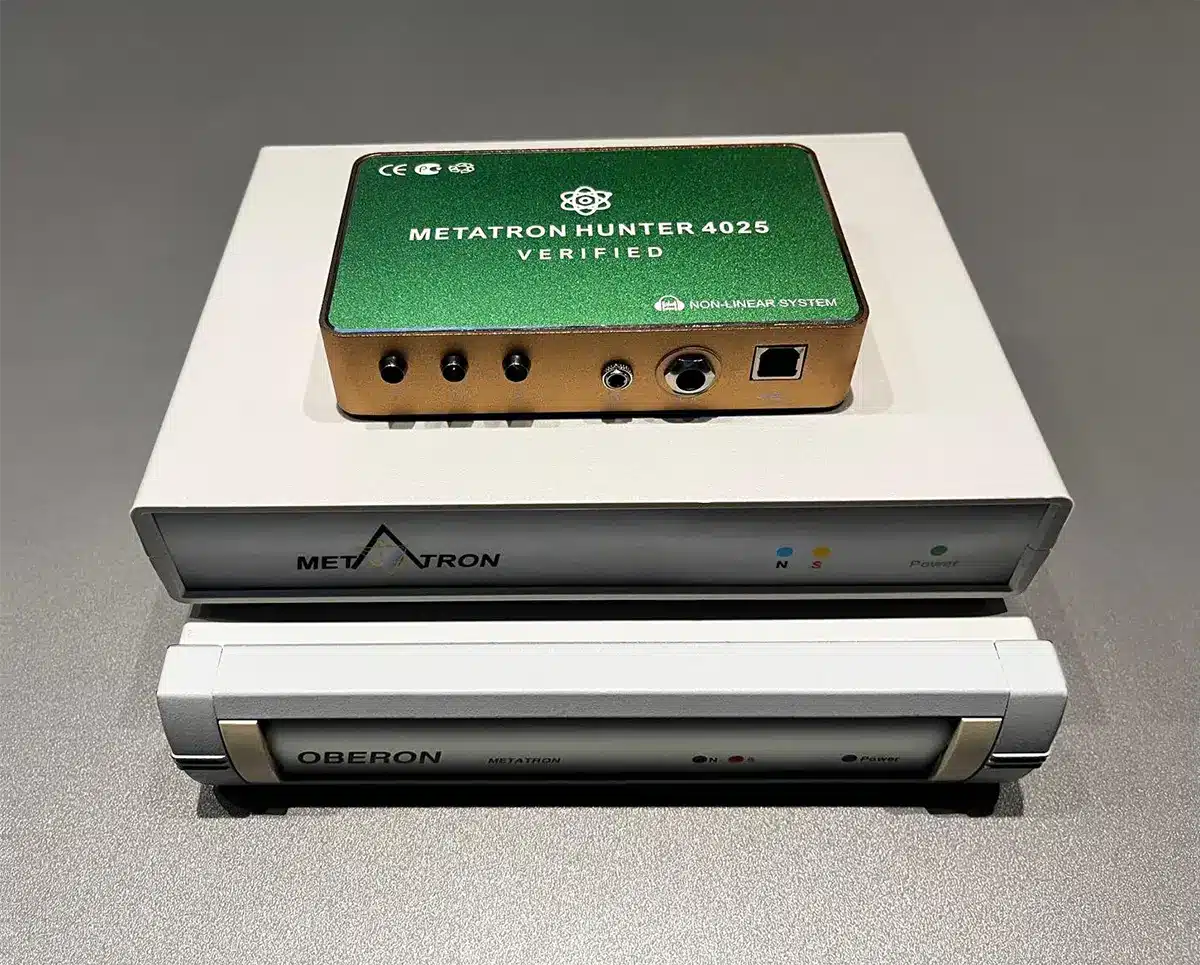
The Metatron Hunter 4025 NLS Verified has matched my Oberons in accuracy across the tests I routinely perform. It also offers faster, more intuitive software that supports efficient workflow and provides detailed reports that clients find easy to interpret. For this reason, it has become my preferred day-to-day system.
Readers should understand that preference does not imply superiority for all users. Device choice depends on budget, practice style, goals and training. My perspective reflects years of hands-on comparison rather than marketing influence. Practitioners should choose systems that align with their ethics, expectations and clinical approach.
How Practitioners Should Interpret Evidence Correctly
Evidence interpretation is one of the most important responsibilities for practitioners. Theory papers, even when detailed, do not prove clinical outcomes. Outcome-based research carries more weight but still requires careful reading, particularly when sample sizes are limited.
Funding sources matter. Manufacturer-funded research can offer valuable insights, but independent replication is essential before making strong claims. Practitioners should present evidence honestly, explaining that early signals may indicate potential but do not constitute definitive proof.
Clients appreciate transparency. They value practitioners who respect mainstream healthcare, acknowledge limitations and emphasise collaboration rather than competition. A responsible practitioner uses bioresonance to support wellbeing, not to replace medical evaluation or treatment.
The Future of Bioresonance Therapy
Bioresonance therapy sits on the edge of technological expansion. Wearable frequency devices, digital wellness platforms and microcurrent technologies increasingly overlap with bioresonance. Integration is likely as interest grows in non-invasive, data-driven tools for personal wellbeing.
Research may continue to expand, particularly in areas such as pain, stress, gut function and addiction support. Funding remains the main barrier, yet the demand for gentle, drug-free wellness solutions may encourage new partnerships between practitioners, universities and technological innovators.
Regulatory frameworks will likely become more structured, increasing the need for professional training, transparent communication and ethical practice.
The future of bioresonance belongs to practitioners who combine scientific understanding with compassionate, responsible care. Clients want guidance that respects both technology and medical standards.
Bioresonance thrives when used as a supportive tool that helps people make sense of their bodies and navigate their wellbeing with clarity.
Final Thoughts
Bioresonance therapy in 2025 offers a compelling blend of technological insight, complementary wellness support and practical guidance.
The field continues to evolve, shaped by pioneering work, client experiences, early research and ongoing technological development.
The therapy is not a replacement for medical care, yet it provides meaningful support for people seeking clarity, balance and non-invasive approaches to wellbeing.
Whether used by practitioners or home users, bioresonance shines brightest when integrated with informed lifestyle choices, open communication and a collaborative approach that honours both wellness and medical safety.
As evidence slowly grows and technology continues to advance, bioresonance will likely remain an important part of holistic care for anyone seeking insight beyond the limitations of purely biochemical models.
FAQ: Bioresonance Therapy in 2025
What is bioresonance therapy and how does it work?
A practitioner uses this feedback to discuss stress patterns, lifestyle load, nutrition, and environmental influences.
It supports wellbeing but does not diagnose disease.
Is bioresonance therapy safe?
If you have serious symptoms, a medical implant, or a diagnosed condition, speak with your doctor before starting any complementary therapy.
What does current research say about bioresonance therapy in 2025?
Healthline notes that evidence is mixed, so claims must stay careful and evidence-aware.
Research growth continues, and independent trials are still needed.
Can bioresonance therapy replace medical treatment or medication?
Bioresonance supports wellness and lifestyle work but does not replace medical care, testing, or prescribed treatment.
You should never stop or change medication without guidance from a qualified healthcare professional.
What wellness issues do practitioners commonly support with bioresonance?
It works best inside a wider wellness plan that may include nutrition, lifestyle changes and medical support when needed.
How do I choose a reliable bioresonance device or clinic?
Avoid clinics that make sweeping cure claims or list serious diseases without evidence.
Reliable devices tend to have stable software, verified calibration, and professional support.
What is the difference between Oberon devices and modern Hunter-series systems?
Modern Hunter-series devices aim to match that reference accuracy while offering updated software and smoother workflow.
Why do some practitioners prefer the Metatron Hunter 4025 NLS Verified?
It also runs more recent software and offers clear reporting for practitioner-client discussion.
Choice still depends on your needs, training and budget.
Are low-cost NLS clones safe or accurate?
Practitioners report inconsistent results, which can lead to poor wellness guidance.
For professional use, verified systems remain the safer option.
Can I use bioresonance therapy at home?
A trained therapist helps interpret results responsibly and knows when medical referral is needed.